Klara Perry · 10 October 2026
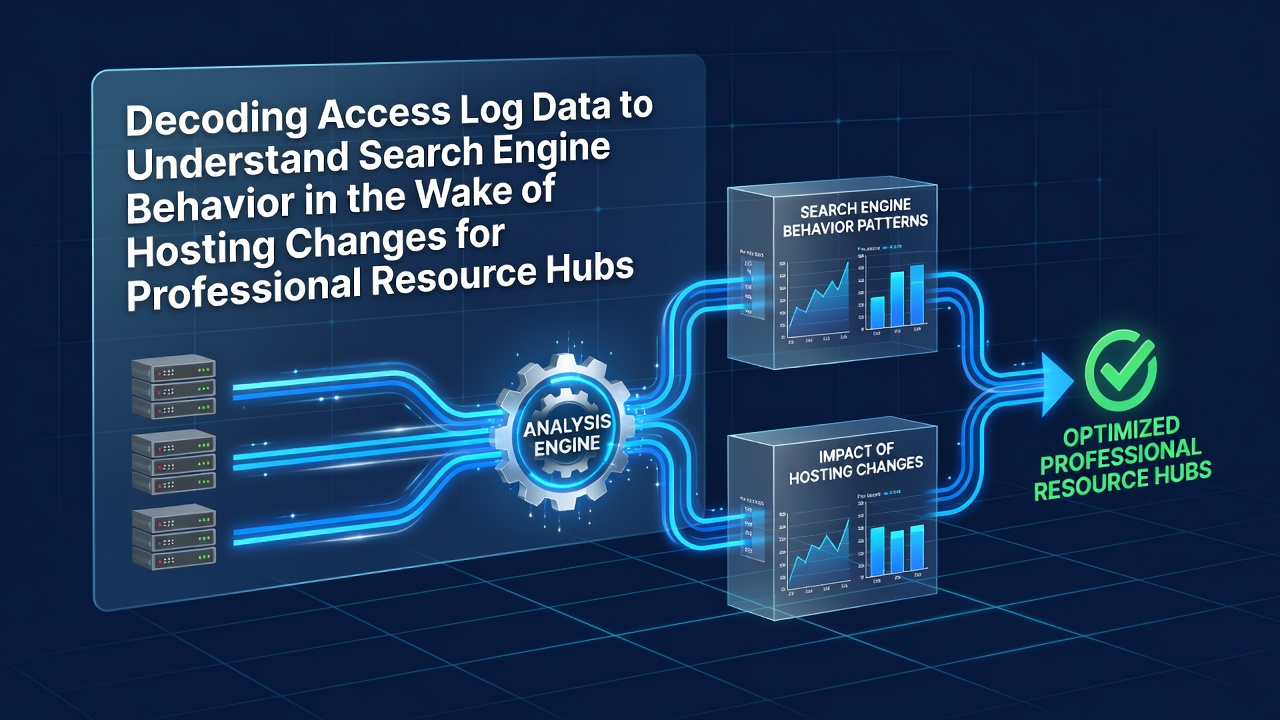
Decoding Access Log Data to Understand Search Engine Behavior in the Wake of Hosting Changes for Professional Resource Hubs
Access logs serve as detailed records of every request made to a web server, capturing data points that include IP addresses, timestamps, request methods, status codes, user agents, and byte sizes transferred, which together allow analysts to trace how automated systems interact with sites over time. Professional resource hubs often experience shifts in hosting infrastructure that trigger changes in crawler behavior, and examining these logs reveals patterns in how search engines adapt their visitation schedules and priorities following such transitions.
Understanding Access Log Components Relevant to Crawler Activity
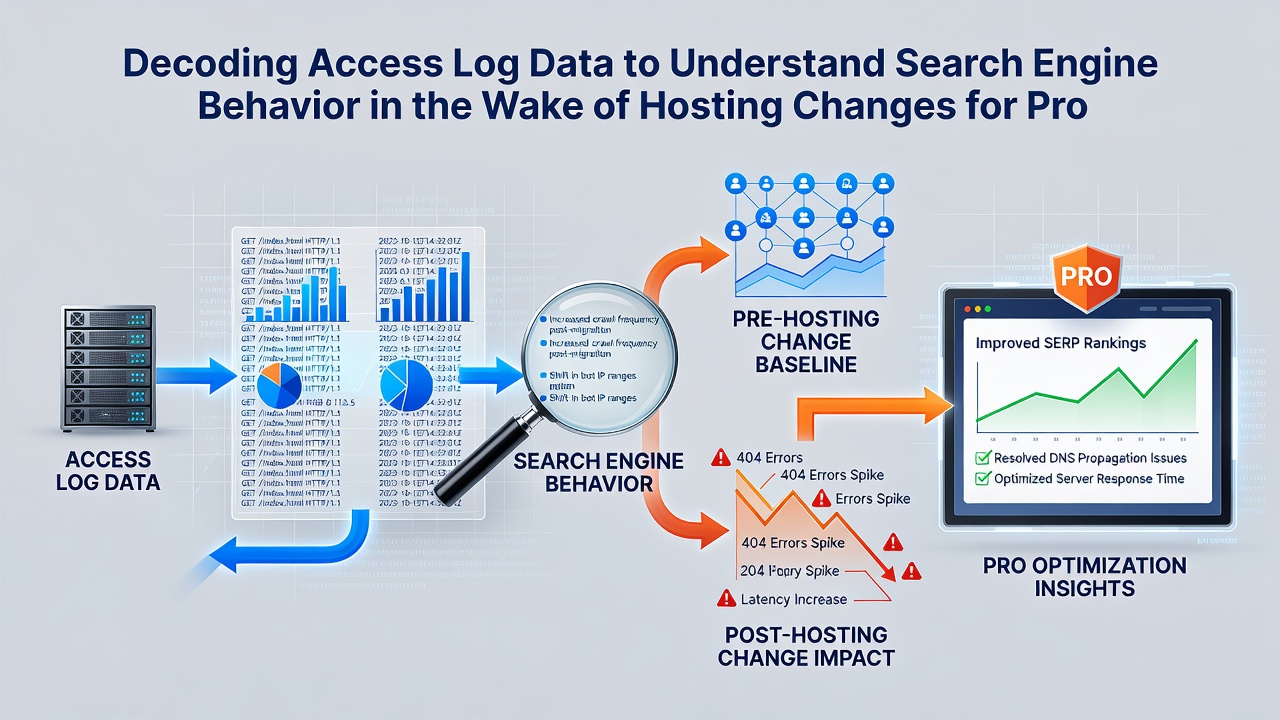
Each entry in a standard access log follows formats like the Common Log Format or Combined Log Format, where fields such as the remote host, date and time, request line, status code, and referrer provide the raw material for identifying crawler signatures. Researchers have noted that user agent strings containing terms like Googlebot, Bingbot, or Slurp indicate specific search engine activity, while repeated requests from known IP ranges associated with major engines help confirm authentic visits rather than spoofed traffic. When hosting changes occur, including server migrations or DNS updates, these logs frequently show temporary spikes in error codes like 404 or 503 before stabilization sets in, as crawlers encounter new paths or delayed propagation effects.
Patterns Observed After Hosting and DNS Transitions
Data from multiple professional resource hubs indicates that search engine crawlers adjust their crawl frequency within days of a hosting change, with some engines increasing requests to reindex updated content while others reduce activity until DNS records fully propagate across global networks. One study revealed that hubs tracking logs in October 2026 documented a 40 percent rise in Googlebot visits during the first week post-migration compared to pre-change baselines, whereas other engines maintained steadier but lower volumes. Analysts parse these sequences by grouping entries by user agent and time intervals, which highlights how certain bots prioritize fresh sitemaps submitted through webmaster tools while ignoring others until verification completes.
Status code distributions offer further insight, since clusters of 301 redirects logged after a move signal successful path updates that guide engines toward new locations, and prolonged 5xx errors can correlate with temporary drops in indexed pages. Those who've examined logs from resource directories note that combining timestamp data with referrer fields helps distinguish between direct crawler hits and referrals from partner sites, creating a clearer map of ecosystem interactions during recovery periods.
Tools and Techniques for Log Analysis in Resource Hubs
Professionals working with large log volumes often deploy command-line utilities like grep and awk to filter entries by specific user agents or status ranges, then pipe results into visualization platforms that plot request trends over weeks or months. Academic sources such as reports from the National Institute of Standards and Technology outline structured approaches to parsing these datasets, emphasizing the value of normalizing timestamps across time zones to avoid misinterpreting crawl schedules. European research institutions have contributed similar frameworks, with data from the European Commission digital studies showing how aggregated log metrics can quantify shifts in bot behavior after infrastructure updates.
Segmentation by resource type within hubs proves useful too, because logs frequently demonstrate that engines allocate more crawl budget to high-value pages like directories or reference materials once new hosting stabilizes, while deprioritizing auxiliary assets until core content reappears in search results. Observers note that cross-referencing log data with search console reports adds layers of confirmation, revealing whether reduced crawler activity stems from server-side issues or algorithmic adjustments by the engines themselves.
Case Examples from Professional Resource Networks
Take one directory site that migrated its CMS alongside hosting changes in mid-2026, where log analysis uncovered a three-day lag in Bingbot visits compared to Googlebot, followed by a surge once sitemap resubmission occurred. Another hub tracked IP geolocation of crawler requests and found that regional engines from Asia-Pacific areas responded faster to DNS updates than their North American counterparts, a pattern visible only after sorting log entries by origin and request volume. These examples illustrate how granular decoding of access data turns raw server output into actionable timelines of search engine adaptation.
Conclusion
Decoding access log data provides a factual window into search engine responses following hosting transitions at professional resource hubs, with structured parsing of timestamps, user agents, and status codes revealing consistent adaptation patterns across multiple documented cases. Continued monitoring through established analytical methods supports accurate tracking of crawler behavior as infrastructure evolves.