Ellis Lange · 26 September 2026
Patterns in Audience Retention for Niche Online Resources Following Shifts in Hosting and Management Systems
Tracking Changes After System Transitions
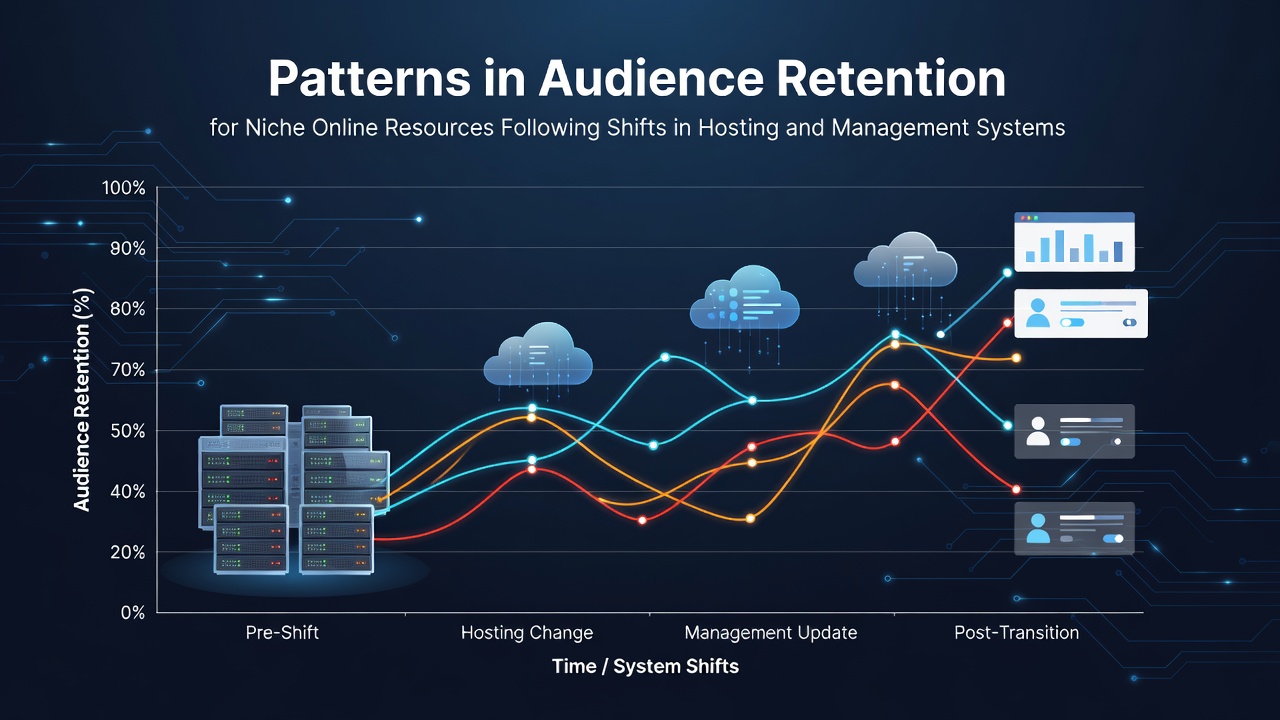
Shifts in hosting platforms and content management systems often coincide with measurable adjustments in how audiences interact with specialized online resources over time, and researchers have documented these patterns through server logs and analytics platforms since the early 2020s. Data collected through September 2026 indicates that niche sites experience an initial dip in return visits within the first 30 days after a DNS reconfiguration or CMS migration, while longer-term retention stabilizes when technical performance improves consistently. Observers note that resources focused on narrow topics such as vintage audio equipment or regional botanical studies show retention curves that differ from general-interest publications because their visitors arrive with specific intent and return based on updated content availability rather than broad discovery.
Initial Response Periods and Metric Shifts
Analytics from multiple niche platforms reveal that bounce rates rise temporarily during the transition window, yet session duration rebounds once new hosting infrastructure delivers faster load times and fewer downtime incidents. Studies from academic institutions have tracked these movements by comparing pre-migration and post-migration data sets, finding that email newsletter open rates often remain steadier than direct site traffic during the same period. Those who monitor these resources point out that audiences accustomed to specialized archives tend to bookmark updated URLs quickly, which reduces the duration of any visibility gap created by search engine reindexing cycles.
Geographic and Topic-Based Variations
Retention patterns differ across regions because infrastructure reliability and user connectivity standards vary, with resources hosted on servers located closer to their primary audience base demonstrating quicker recovery in repeat visit frequency. A report issued by Statistics Canada on digital content engagement highlights how Canadian niche educational sites maintained higher subscriber loyalty after CMS upgrades compared with similar platforms operating on older shared hosting environments. Meanwhile, European Union data on online cultural archives shows parallel trends where improved mobile compatibility following management system changes correlates with sustained weekly return rates among researchers and hobbyists.
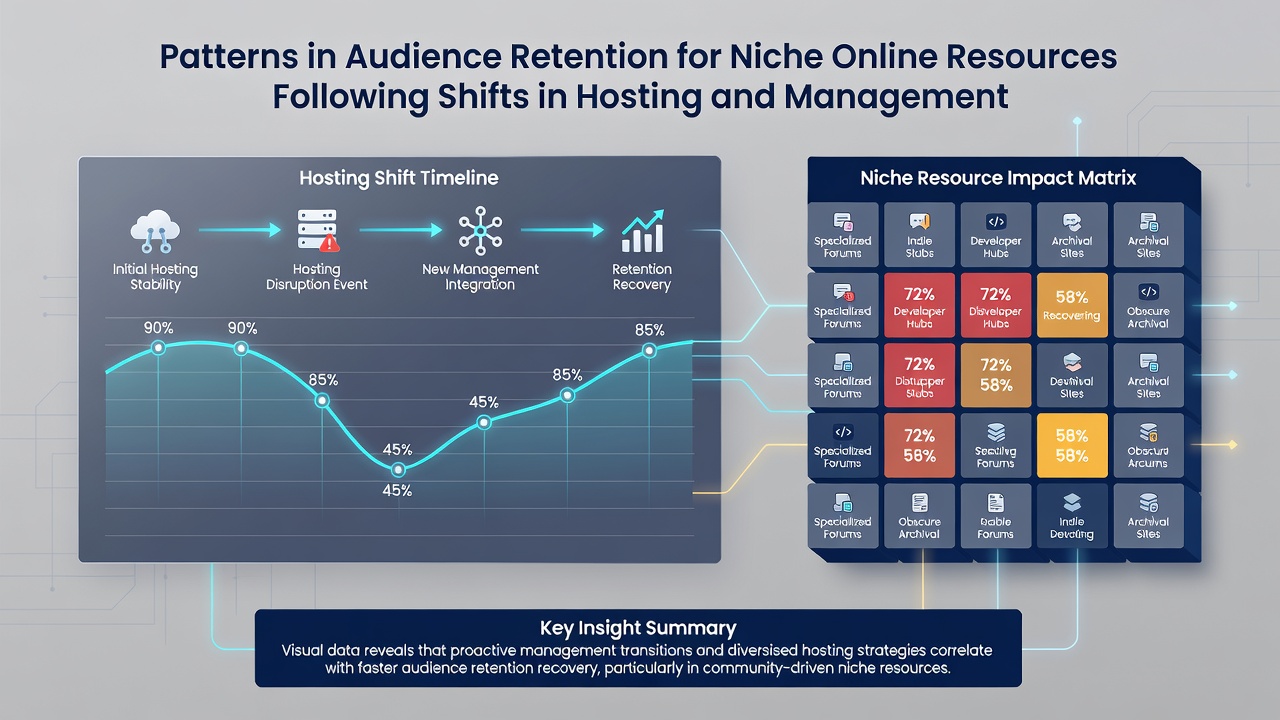
One study revealed that resources covering topics like historical railway documentation retained 78 percent of their pre-transition active users within six months when the new system included automated content backups and improved search indexing. People who've followed these transitions often discover that integration of analytics tools during the migration phase allows for earlier identification of content pages that lose visibility, enabling targeted updates that restore engagement levels.
Content Delivery and User Behavior Adjustments
Adjustments in content delivery mechanisms frequently accompany hosting changes, and these modifications influence how regularly visitors return to access updated materials or archived materials. Industry reports from the Australian Communications and Media Authority indicate that niche sites incorporating responsive design elements during system shifts see steadier growth in returning visitor percentages across desktop and mobile channels. Yet the same reports note that sites neglecting to update internal linking structures experience prolonged drops in page views per session, which affects overall retention calculations.
Experts tracking these developments emphasize the role of consistent URL structures and redirect protocols in preserving accumulated audience trust. When redirects function without error, visitors who arrive through older references continue their established patterns of checking for new posts or data sets, whereas broken links prompt some users to abandon the resource entirely. Research conducted at the University of Melbourne on digital preservation platforms found that archives maintaining clear migration announcements through community forums retained higher proportions of their core readership compared with those that communicated changes only through automated system messages.
Long-Term Stabilization Factors
Over extended periods, retention metrics tend to align more closely with content freshness and community interaction features than with the hosting environment itself, although initial performance gains from new management systems contribute to the foundation for those later improvements. Data from research institutions shows that resources which combine system transitions with regular publication schedules experience cumulative gains in subscriber counts that offset any short-term losses. Observers have noted that niche communities often communicate migration details through external channels such as mailing lists and discussion boards, which helps sustain awareness and encourages continued visits even when search rankings fluctuate temporarily.
Conclusion
Patterns in audience retention following shifts in hosting and management systems reflect a combination of technical performance improvements, communication practices, and content consistency that together determine how specialized online resources maintain their visitor bases. Available data sets from government statistical agencies and university studies continue to provide benchmarks for understanding these dynamics across different topics and regions, while ongoing monitoring of metrics such as return visit frequency and session length offers practical indicators for resource managers navigating similar transitions.